Nuclear Availability and Production Forecast
French nuclear monitoring is crucial to understanding the behaviour of energy markets in Europe. This is why our “Nuclear Tracker”, developed by the experts at Haya Energy Solutions, monitors the availability of the French nuclear fleet in real time. We monitor both the availability and production of individual nuclear plants and compare them against Haya Energy Solutions forecast of production.
In France, nuclear energy accounts for almost 70% of the energy mix. However, the nuclear fleet faces a number of challenges that reduce its output, and this unavailability has a direct impact on the markets.
The “Nuclear Tracker” tool is valuable for analysing nuclear availability and production forecasting, which is essential for predicting and understanding European electricity market reactions.
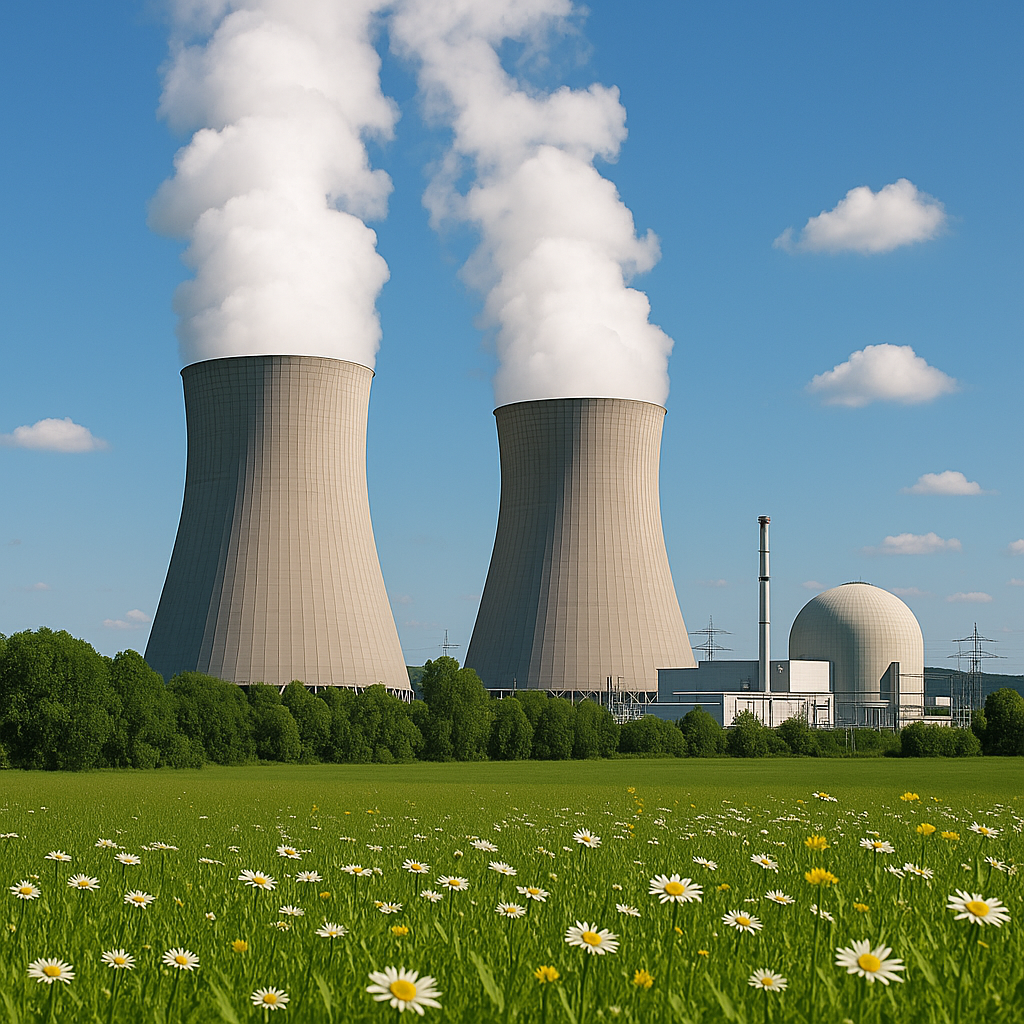
Availability of the French nuclear fleet
Current French nuclear availability as of 28 September 2026 is around 35 GW, down from roughly 43 GW in mid-September and about 10 GW below the previous-month outlook for late September. Nuclear production has also fallen toward 25 GWh/h. EDF reported 26.2 TWh of French nuclear production in August, bringing the 2026 total to 245.9 TWh, or 5.9 TWh above the same point in 2025.
The late-September decline mainly reflects a concentration of planned outages. Among the latest units taken offline are Flamanville 1, Gravelines 3, Nogent 1, Paluel 4 and Cattenom 3, alongside other ongoing outages including Flamanville 3. EDF confirms that Gravelines 3 entered a planned partial inspection on 18 September. In addition, hydrological conditions on the Rhine and Rhône are not expected to improve materially, leaving nuclear output exposed to persistent cooling-water constraints.
Overall, The key point is the pace of the October recovery: timely restarts would restore availability quickly, while outage extensions would keep the French system tighter than expected ahead of winter.
Nuclear Production
We state the total realized production in France up to the current date, along with our forecasted production for the remaining months of the year. This provides a clear picture of overall nuclear output, helping users understand how actual performance compares to expected trends, taking into account planned maintenance, seasonal demand, and historical patterns.
Nuclear trends
We analyze trends in nuclear power availability and production, based on historical data, current plant statuses, and upcoming maintenance schedules. These trends help contextualize current performance and support projections for future supply conditions, especially during periods of high demand or stress on the grid.